
$15 Deposit Casinos NZ 2026
Compare fifteen New Zealand dollars across the cashier, payment method, real-money balance, bonus threshold and withdrawal route.
Compare NZ$15 deposit routesSister Casinos NZ topic hub
Use structured New Zealand betting research guides for horse racing, rugby union, rugby league, cricket, football and golf.
At a glance
This hub groups pages by reader focus, gives each question one clear owner and uses descriptive internal links so New Zealand readers can move from a broad topic to a precise comparison. Start with the card that matches your decision, then follow its related-reading section instead of opening several near-duplicate pages.
Compare fifteen New Zealand dollars across the cashier, payment method, real-money balance, bonus threshold and withdrawal route.
Compare NZ$15 deposit routes
Compare twenty New Zealand dollars across cashier acceptance, payment methods, real-money play, free-spin conditions and payout planning.
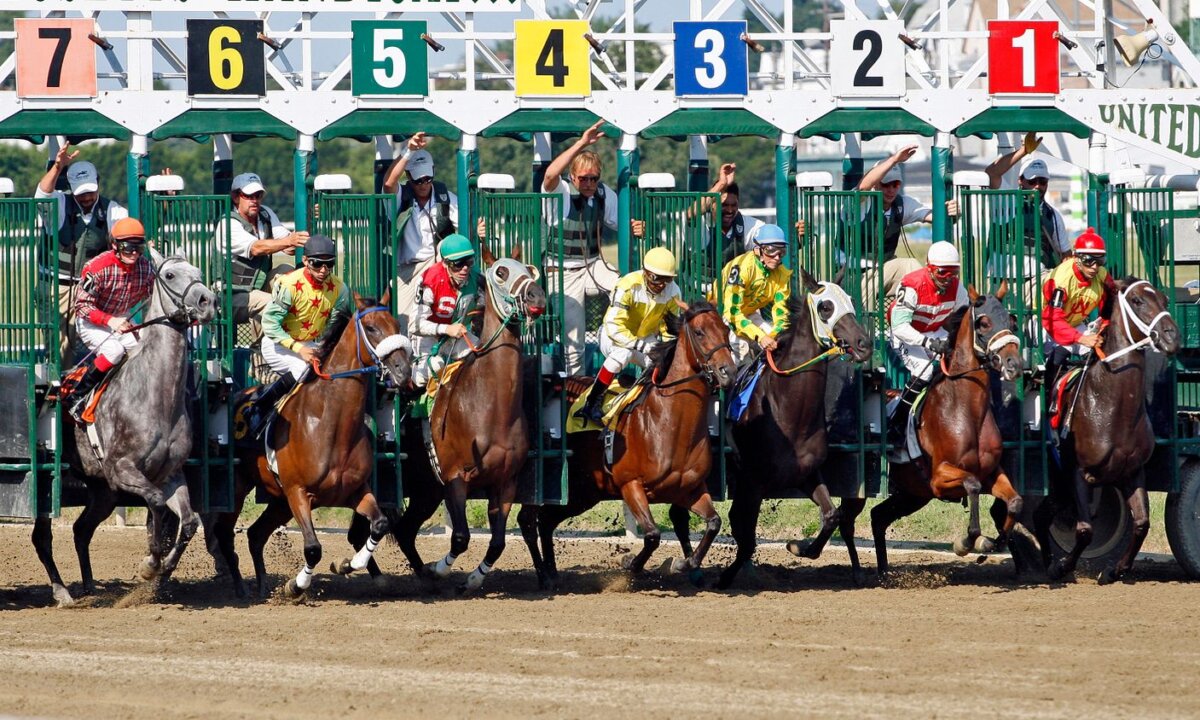
Compare NZ$20 deposit routesRace conditions, pace, draw, distance, surface and timing.
Horse racing researchTeam news, set pieces, territory, discipline and weather.
Rugby union researchTeam lists, completion, field position and defensive edges.
Rugby league researchFormat, venue, pitch, weather, toss and player roles.
Cricket researchLineups, chance quality, transitions, set pieces and schedule.
Football researchCourse fit, field strength, ball striking and weather waves.
Golf researchUse structured New Zealand betting research guides for horse racing, rugby union, rugby league, cricket, football and golf.
This hub groups pages by reader focus, gives each question one clear owner and uses descriptive internal links so New Zealand readers can move from a broad topic to a precise comparison. Start with the card that matches your decision, then follow its related-reading section instead of opening several near-duplicate pages.
Useful next steps include the complete guide library, casino categories and focused casino articles. These links join the hub to the wider site architecture and make it easier to switch from information gathering to a focused brand or network comparison.
Use three columns when taking notes: must have, useful and not important. Put only one or two features in the first column. Then compare equivalent information across the pages you open. This prevents a large headline, a familiar logo or an unrelated feature from taking over the decision.
For casino brands, compare the relationship type and the feature that brought you to the site. For bonuses, compare conditions at the same deposit level. For payments, compare account currency, method availability and the complete withdrawal route. For games, compare the same version and rules. For sports guides, compare the quality of the information source and the assumptions behind the market.
When adding a new article, first decide whether it expands an existing answer or introduces a new comparison. If it expands an answer, update the canonical page and add a subsection. If it introduces a distinct game, brand or decision framework, create a focused page and link it to the parent hub. That rule keeps the library useful as it grows and prevents several short pages from competing for the same reader.
Use the betting hub to move quickly between horse racing, rugby union, rugby league, cricket, football and golf. Each card opens a focused New Zealand guide with practical angles, useful comparisons and easy links back to casino deposits, games and offers.
Readers can use the same structure in reverse: begin with a specific article, return to this hub for the broader hub, then open a neighbouring page only when it answers a genuinely different question. That route keeps the research focused while still exposing the full range of useful content.
Keep exploring

The opening answer and first comparison section define the page-specific decision, then the tables and linked routes separate the relevant fields.
Use the fields shown in the page table rather than comparing headlines alone. Each field is tied to the topic and the New Zealand route described on the page.
Treat the examples as a way to apply the page method. Compare the same fields on the current route before making a decision.
Revisit the page when operator, offer, payment, game or relationship records change. Source dates show the scope of the current comparison.
Use the contextual cards and in-text links to continue with the closest parent hub or sibling topic instead of jumping to an unrelated guide.